High dynamic in changes for economic, legal and tax aspects of Foreign businesses in China.
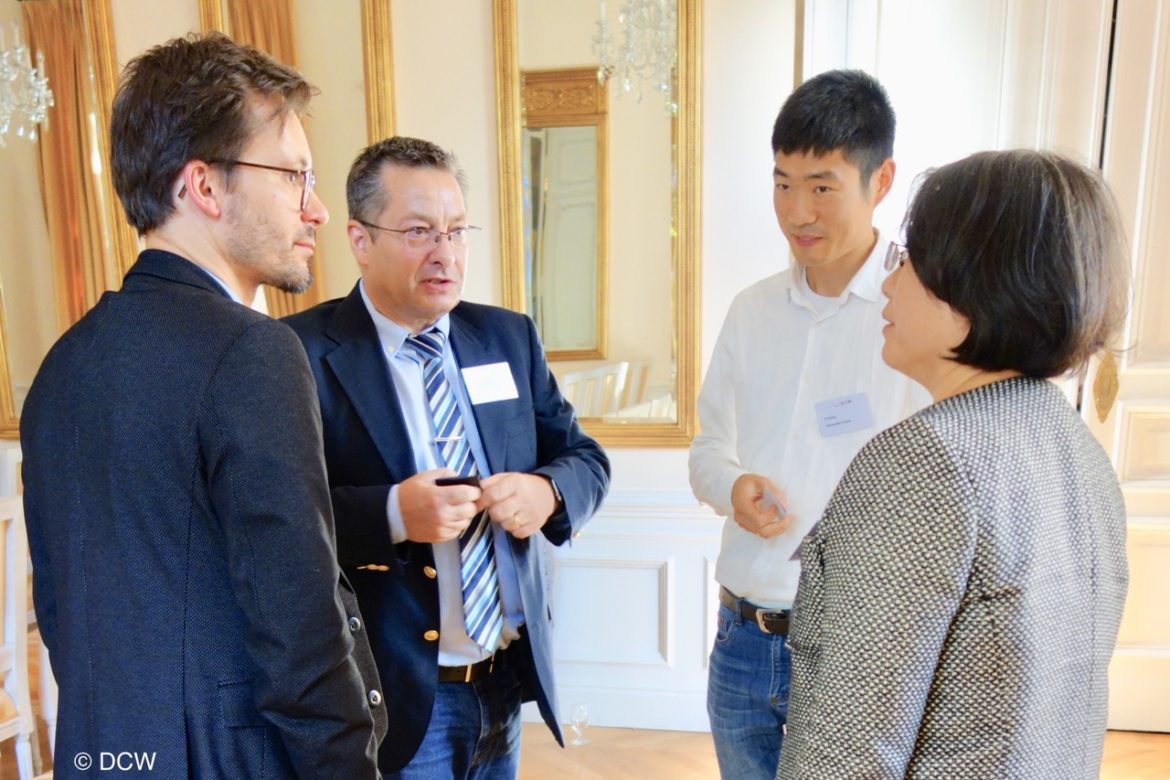
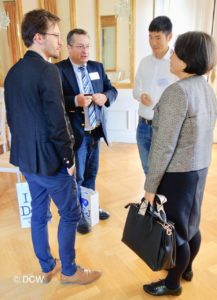
At the regional meeting in Leipzig, of the German-Chinese Business Association, Prof. Dr. med. Helwig Schmidt-Glintzer (China Zentrum Tübingen), Mathias Müller(Rödl & Partner) and Dr. med. Jing Wang (Rödl & Partner) informed about recent changes and offered important updates.
The interesting, informative and varied lectures showed once more that the impressions here in Germany of China are very different to the actions and intentions the Chinese locally initiated. e.g. OBOR (One Belt One Road, international projects with massive support of capital) and 2025 (within China)
The ignorance and lack of acceptance that Westerners can learn from China, could hinder our business development for the future. It’s important to be open minded, understand the strategies and internal developments within China to participate the economic growth.
The dynamic legal framework in China was also a topic presented by the Team of Rödl & Partner.
The new central law for Foreign Invest in China was introduced on July 28th, 2017 and practiced now. The process to establish companies in China is eased, as well some company registration process could be also done online. There was also a new company form introduced, “Foreign Invested Partnership”. This is a step forward to a liberated and more transparent system compared to the past.
From June 1st., 2017, China also introduced the “Chinese Cyber Security Law”, which is a kind of counterpart to the “DSGVO-GDPR”. A major change for companies operating in China, will be the transfer of “Personal- and Important Data”, especially to servers outside of China. According to the Cybersecurity Law, all data which falls into this category must be approved by the office for cybersecurity. In which scale this law will be applied and what is exactly “important data” might be decided by the authorities and is not clearly defined yet.
We use cookies on our website to give you the most relevant experience by remembering your preferences and repeat visits. By clicking “Accept”, you consent to the use of ALL the cookies.
Diese Webseite verwendet Cookies, um Ihre Erfahrung auf unserer Webseite zu verbessern, während Sie durch die Seiten navigieren. Von diesen Cookies werden die für Grundfunktionen notwendigen Cookies in Ihrem Browser gespeichert, da sie für die Funktion der Webseite unerlässlich sind. Wir verwenden auch Cookies von Drittanbietern, mit denen wir analysieren und verstehen können, wie Sie diese Website nutzen. Diese Cookies werden nur mit Ihrer Zustimmung in Ihrem Browser gespeichert. Sie haben auch die Möglichkeit, diese Cookies zu deaktivieren. Das Deaktivieren einiger dieser Cookies kann sich jedoch auf Ihre Browser-Erfahrung auswirken.
Notwendige Cookies sind für die ordnungsgemäße Funktion der Website unbedingt erforderlich. Diese Kategorie enthält nur Cookies, die grundlegende Funktionen und Sicherheitsmerkmale der Website gewährleisten. Diese Cookies speichern keine persönlichen Informationen.
Alle Cookies, die für die Funktion der Website möglicherweise nicht besonders erforderlich sind und speziell zur Erfassung personenbezogener Daten des Benutzers über Analysen, Anzeigen und andere eingebettete Inhalte verwendet werden, werden als nicht erforderliche Cookies bezeichnet. Es ist obligatorisch, die Zustimmung des Benutzers einzuholen, bevor diese Cookies auf Ihrer Website ausgeführt werden.
Changes for Economic, Legal and Tax Aspects of Foreign Businesses in China, (DCW, 26. Juni 2018, Club International in Leipzig)
High dynamic in changes for economic, legal and tax aspects of Foreign businesses in China.
At the regional meeting in Leipzig, of the German-Chinese Business Association, Prof. Dr. med. Helwig Schmidt-Glintzer (China Zentrum Tübingen), Mathias Müller(Rödl & Partner) and Dr. med. Jing Wang (Rödl & Partner) informed about recent changes and offered important updates.
The interesting, informative and varied lectures showed once more that the impressions here in Germany of China are very different to the actions and intentions the Chinese locally initiated. e.g. OBOR (One Belt One Road, international projects with massive support of capital) and 2025 (within China)
The ignorance and lack of acceptance that Westerners can learn from China, could hinder our business development for the future. It’s important to be open minded, understand the strategies and internal developments within China to participate the economic growth.
The dynamic legal framework in China was also a topic presented by the Team of Rödl & Partner.
The new central law for Foreign Invest in China was introduced on July 28th, 2017 and practiced now. The process to establish companies in China is eased, as well some company registration process could be also done online. There was also a new company form introduced, “Foreign Invested Partnership”. This is a step forward to a liberated and more transparent system compared to the past.
From June 1st., 2017, China also introduced the “Chinese Cyber Security Law”, which is a kind of counterpart to the “DSGVO-GDPR”. A major change for companies operating in China, will be the transfer of “Personal- and Important Data”, especially to servers outside of China. According to the Cybersecurity Law, all data which falls into this category must be approved by the office for cybersecurity. In which scale this law will be applied and what is exactly “important data” might be decided by the authorities and is not clearly defined yet.
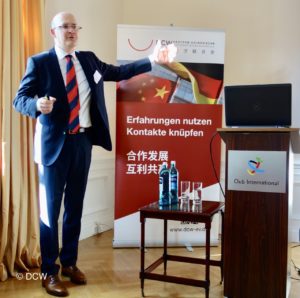
Wolfgang Lindhorst – L & Y
Meta
Kalender
Seiten
Archiv
Recent Post
Kategorien
Portfolio
Meta
Calender